
Minimum vs Full Coverage — Georgia
Free to compare
What Georgia Requires vs What Protects Your Vehicles
Georgia law requires $25,000 bodily injury per person, $50,000 bodily injury per accident, and $25,000 property damage liability. That minimum covers damage you cause to someone else's car or medical bills you owe after an at-fault crash. It does not pay to repair or replace your own vehicle.
Full coverage adds collision and comprehensive to the state-required liability. Collision pays to fix your car after a crash regardless of fault. Comprehensive covers theft, hail, vandalism, and animal strikes. If you finance or lease any vehicle in your household, the lender requires both. If you own your cars outright, the decision is yours.
“Minimum liability protects other people's property; full coverage protects yours.”

Find Coverage That Keeps You Legal in Georgia
Get My Georgia Car Insurance Quote$25,000/$50,000/$25,000
Georgia Minimum Liability
Georgia requires $25,000 bodily injury per person, $50,000 bodily injury per accident, and $25,000 property damage. This covers damage you cause to others, not your own vehicles.
Georgia Department of Driver Services
What Minimum Coverage Leaves Uninsured
Minimum liability pays the other driver's repair bill and medical expenses up to your policy limits. The other driver can sue you for the difference.
Your own vehicle gets nothing. If you total your car in an at-fault crash, you pay to replace it yourself. If someone hits you and drives away, or if they carry no insurance, your minimum-coverage policy does not cover your repair bill. Georgia does not require uninsured motorist coverage, and 19% of Georgia drivers are uninsured.
Collision and comprehensive close that gap. Collision covers your repair bill after any crash, at-fault or not, minus your deductible. Comprehensive covers non-crash damage: theft, hail, fire, vandalism, hitting a deer. Both pay up to your vehicle's actual cash value.
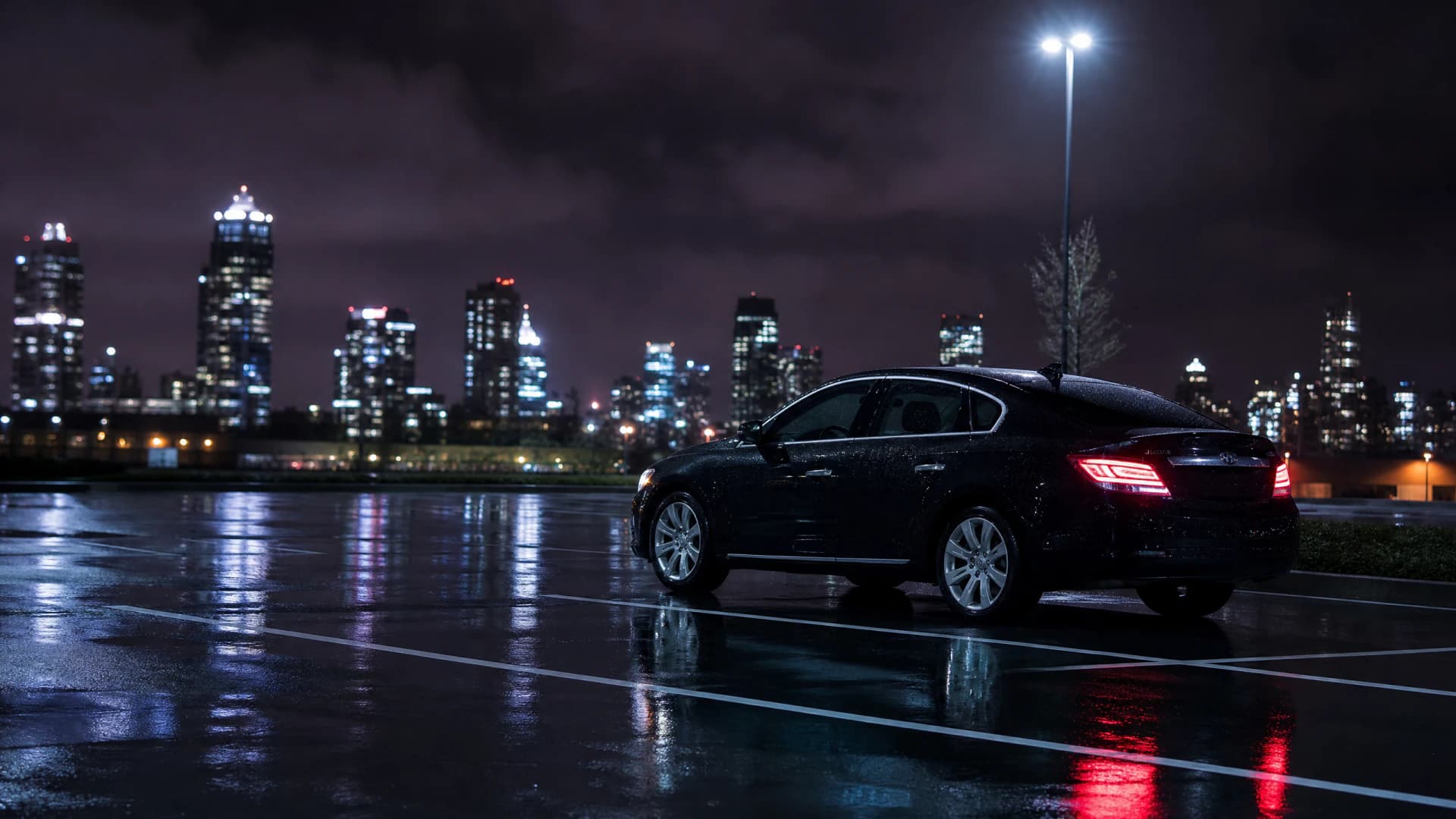
Minimum liability protects other people's property. Full coverage protects yours. If you cannot afford to replace a totaled car out of pocket, you need collision and comprehensive.
Related Articles






How Collision and Comprehensive Work After a Claim
Collision pays your repair bill minus your deductible, regardless of who caused the crash. You choose a $500 or $1,000 deductible when you buy the policy. If the car is totaled, the carrier pays actual cash value minus the deductible.
Comprehensive works the same way but covers non-crash events. A tree falls on your car during a storm: comprehensive pays the repair bill minus your deductible. Your car is stolen and not recovered: comprehensive pays actual cash value minus the deductible. Hitting a deer, hail damage, and broken windshields all trigger comprehensive, not collision.
Both coverages require you to file a claim and pay the deductible before the carrier pays. If damage costs less than your deductible, the claim produces no payout. The deductible resets per claim, so two claims in one year mean two deductibles paid.
19%
Georgia Uninsured Motorist Rate
Nearly one in five Georgia drivers carries no insurance. If an uninsured driver hits you and you carry only minimum liability, you pay your own repair bill. Uninsured motorist coverage is optional in Georgia but closes this gap.
Insurance Information Institute, 2023

Optional Coverages That Fill Gaps in Minimum Liability
Uninsured motorist coverage pays your medical bills and vehicle damage when an at-fault driver carries no insurance or flees the scene. Georgia does not require it, but 19% of Georgia drivers are uninsured. If you carry only minimum liability and an uninsured driver totals your car, you pay the full replacement cost yourself. Uninsured motorist property damage covers your vehicle; uninsured motorist bodily injury covers your medical expenses.
Underinsured motorist coverage works the same way but applies when the at-fault driver's liability limits are too low to cover your losses. Both uninsured and underinsured motorist coverages are optional add-ons in Georgia.
Compare Carriers That Write Multi-Vehicle Policies in Georgia
Carriers price collision and comprehensive differently, and the gap widens when you insure multiple vehicles. The multi-car discount applies to the total premium, so a carrier with a lower base rate and a smaller discount can still beat a carrier with a higher base rate and a larger discount.
Georgia licenses 39 carriers that write standard and non-standard auto policies. Compare quotes from at least three carriers, and structure each quote identically: same liability limits, same collision and comprehensive deductibles, same vehicles. The comparison tool on this site connects you to carriers licensed in Georgia and shows quotes side by side. Enter your household's vehicles, choose minimum or full coverage per car, and see what each carrier charges for the exact coverage you need.
When Full Coverage Makes Sense for Multiple Vehicles
Run the math per vehicle. A common threshold: drop collision and comprehensive when the annual premium exceeds 10% of the vehicle's value.
Households with multiple vehicles often split the approach. Full coverage on the two newer cars, minimum on the 15-year-old sedan you drive to the grocery store. Carriers price each vehicle separately on a multi-car policy, so you control coverage per car. One crash does not force you to add collision to every vehicle — you choose based on what each car is worth and how you'd replace it.
Get Your Free Quote
Get My Georgia Car Insurance QuoteFrequently Asked Questions
Does Georgia require collision and comprehensive coverage?
No. Georgia requires only $25,000/$50,000/$25,000 liability. Collision and comprehensive are optional unless your lender requires them. Liability covers damage you cause to others; collision and comprehensive cover your own vehicle.
What happens if I total my car with only minimum coverage?
Your minimum liability policy pays nothing toward your own vehicle. You pay the full replacement cost out of pocket. If the crash was the other driver's fault and they carry insurance, their liability policy covers your loss up to their limits.
Can I carry full coverage on one car and minimum on another?
Yes. Carriers price each vehicle separately on a multi-car policy. You choose collision and comprehensive per vehicle based on what each car is worth and whether it is financed.
How much does full coverage cost compared to minimum in Georgia?
The difference depends on your vehicles, driving record, and location. Collision and comprehensive premiums reflect each car's value, age, and theft risk. Compare quotes from multiple carriers to see the actual cost for your household's vehicles.
What does uninsured motorist coverage do in Georgia?
Uninsured motorist coverage pays your vehicle damage and medical bills when an at-fault driver carries no insurance or flees the scene. Georgia does not require it, but 19% of Georgia drivers are uninsured. It is an optional add-on to minimum or full coverage.
When should I drop collision and comprehensive?
Drop them when the annual premium exceeds 10% of the vehicle's value, or when you can afford to replace the car out of pocket.