
What Georgia Calls Minimum Coverage
You're comparing quotes and every carrier shows a "minimum coverage" option at the lowest price. Georgia defines minimum coverage as liability insurance only: $25,000 per person for bodily injury, $50,000 per accident for bodily injury, and $25,000 per accident for property damage. That's written as 25/50/25. No collision, no comprehensive, no coverage for your own vehicle.
The state does not require personal injury protection or uninsured motorist coverage, though carriers often offer them. Minimum coverage meets the legal threshold to register a vehicle and drive. It does not protect your car if you cause a crash or if someone without insurance hits you.
Compare car insurance rates in your state
Get quotes from licensed carriers — no obligation, no spam, results in minutes.
Get Your Free QuoteGeorgia Liability Minimums
$25,000 / $50,000 / $25,000
Bodily injury per person, bodily injury per accident, property damage per accident. These are the three numbers the Georgia Department of Driver Services checks when you register a vehicle or renew your tag.
Georgia Department of Driver Services
Liability Covers the Other Driver, Not Your Car
Liability insurance pays for damage you cause to someone else's vehicle or medical bills for someone you injure. If you rear-end another car at a stoplight, your liability coverage pays for their repairs and their hospital visit up to your policy limits. Your own car repair bill is your responsibility.
Georgia's 25/50/25 minimums are low compared to the cost of most crashes. A single emergency-room visit after a moderate-speed collision can exceed $25,000. Totaling a newer SUV can exceed $25,000 in property damage alone. Minimum coverage meets the state's legal floor, but it leaves you personally liable for any amount above your policy limits.
If you finance or lease your vehicle, your lender requires collision and comprehensive coverage. Minimum liability-only coverage will not satisfy a loan agreement. You need full coverage — liability plus collision and comprehensive — to meet the lender's requirement.
Georgia suspends your vehicle registration when your insurance lapses, not just your license.
What Happens When Coverage Lapses
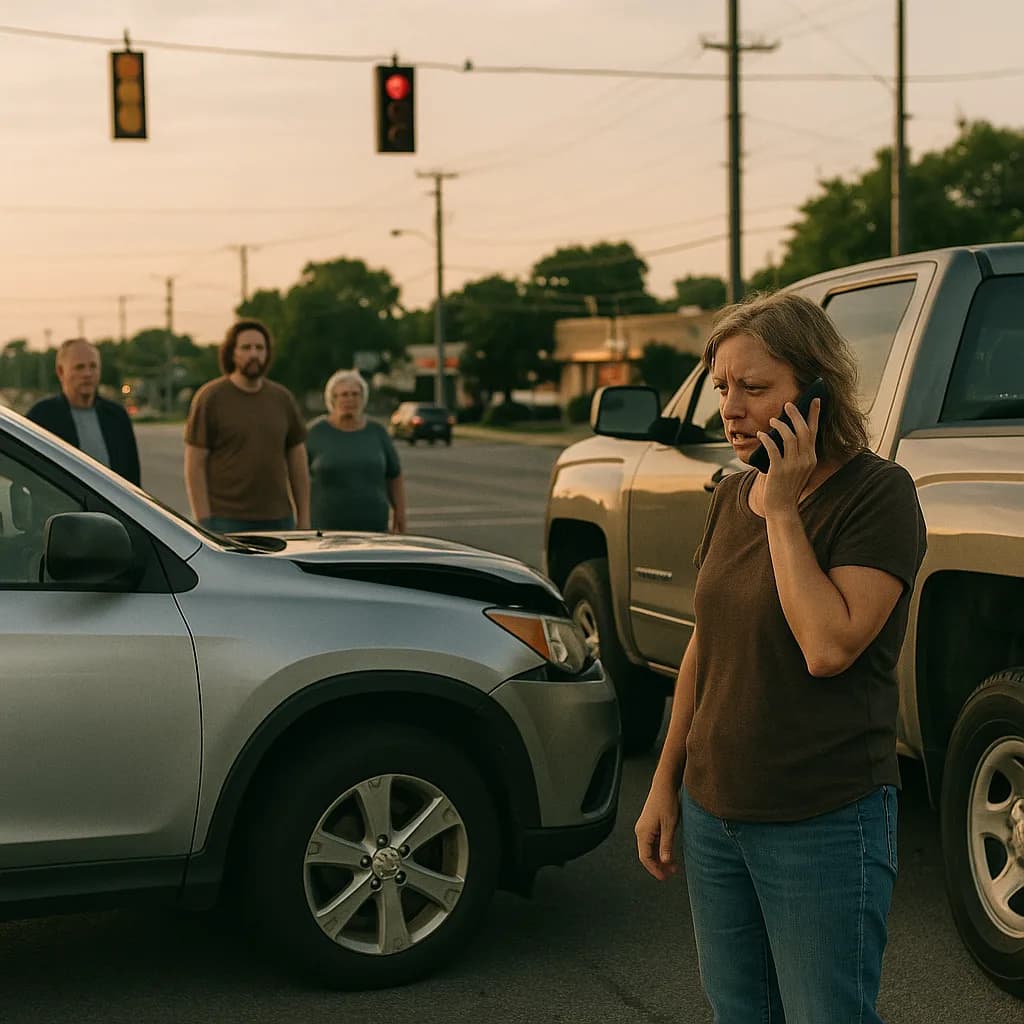
The suspension is automatic. You do not receive a hearing or a grace period beyond the carrier's own cancellation notice timeline. Once the lapse is reported, your registration is suspended and your tag is invalid. If you're pulled over, you face a citation for driving without insurance and driving with a suspended registration.
If you had multiple lapses or a longer suspension period, additional fees may apply. The reinstatement process takes several business days, and you cannot legally drive the vehicle until the registration is active again.
Related Articles






Minimum Coverage Does Not Include Uninsured Motorist Protection
Nineteen percent of Georgia drivers are uninsured. If an uninsured driver hits you and you carry only minimum liability coverage, you have no coverage for your own medical bills or vehicle damage unless you add uninsured motorist coverage to your policy.
Uninsured motorist bodily injury and uninsured motorist property damage are optional in Georgia. Carriers offer them as add-ons to a liability-only policy. The cost is typically lower than collision or comprehensive coverage, but it is not included in the state's minimum requirement. If you want protection when the other driver has no insurance, you must select uninsured motorist coverage explicitly.
Underinsured motorist coverage works the same way: it pays when the at-fault driver's liability limits are too low to cover your damages. Georgia does not mandate it, but it closes the gap between the other driver's 25/50/25 policy and your actual repair and medical costs.
Georgia Uninsured Motorist Rate
19%
Nearly one in five drivers on Georgia roads carries no insurance. Minimum liability coverage does not protect you if one of them causes a crash. Uninsured motorist coverage is optional and must be added separately.
Insurance Information Institute, 2023
When Minimum Coverage Is Not Enough
Minimum coverage satisfies the state's registration requirement, but it does not cover common scenarios. If your vehicle is totaled in a crash you caused, you pay for a replacement out of pocket. If your car is stolen, vandalized, or damaged by hail, you have no coverage. If you injure someone badly and their medical bills exceed $25,000, you are personally liable for the difference.
Full coverage — liability plus collision and comprehensive — protects your own vehicle and raises your liability limits. Collision pays for your car's damage after a crash regardless of fault. Comprehensive pays for theft, weather damage, vandalism, and animal strikes. Higher liability limits reduce your personal exposure if you cause a serious crash. The premium is higher, but the coverage matches the actual risks Georgia drivers face.
Compare Carriers That Write Minimum Coverage in Georgia
Forty-one carriers write auto insurance in Georgia, and most offer minimum liability-only policies. Rates vary widely by carrier, county, driving record, and vehicle. State Farm, GEICO, Progressive, Allstate, and Nationwide all write minimum coverage statewide. Non-standard carriers like The General, Bristol West, and Acceptance Insurance specialize in minimum-coverage policies for drivers with violations or lapses.
Request quotes from at least three carriers. Provide the same coverage limits — 25/50/25 liability — to each so you can compare accurately. Ask whether the quote includes uninsured motorist coverage or any optional add-ons, and confirm the policy meets Georgia's registration requirements. The lowest premium is not always the best value if the carrier's claims process is slow or if the policy excludes coverage you need. Compare the premium, the carrier's financial rating, and the policy's actual coverage before you buy.