
Uninsured Motorist Coverage — Georgia
Free to compare
What Uninsured Motorist Coverage Actually Protects
Uninsured motorist coverage pays for injuries and property damage when another driver hits you and has no insurance. In Georgia, where 19% of motorists drive uninsured, this coverage protects you when the at-fault driver cannot pay. The coverage applies to every vehicle listed on your policy, but the limit is per accident, not per car.
Many households adding a second or third vehicle assume each car carries its own uninsured motorist limit. That is not how the coverage works. Your policy states one bodily injury limit and one property damage limit, and those limits apply to the entire accident regardless of how many of your vehicles are involved. Adding a vehicle does not multiply your coverage.
“Your uninsured motorist limit is per accident, not per car — adding a vehicle does not multiply your coverage.”

Find Coverage That Keeps You Legal in Georgia
Get My Georgia Car Insurance Quote19%
Georgia Uninsured Motorists
Nearly one in five Georgia drivers carries no insurance. Uninsured motorist coverage is the only protection when an at-fault driver has no policy to pay your claim.
Insurance Information Institute, 2023
How Uninsured Motorist Limits Apply Across Multiple Vehicles
Georgia does not require uninsured motorist coverage, but most carriers offer it and most drivers buy it. When you carry uninsured motorist bodily injury coverage, the limit is stated as two numbers: per person and per accident. A common limit is $25,000 per person and $50,000 per accident. That $50,000 is the total the policy pays for all injuries in one accident, no matter how many of your household's vehicles were involved.
Uninsured motorist property damage works the same way. If your policy carries a $25,000 property damage limit and two of your vehicles are damaged in the same accident, the $25,000 is the total available for both cars combined. The limit does not double because you own two cars.
This structure matters when you add a vehicle. Your premium increases because the new car adds exposure, but your per-accident limit stays the same unless you request a higher limit. If you now have three vehicles and your uninsured motorist property damage limit is still $25,000, that $25,000 must cover all three cars if they are all damaged in one accident.
Some households raising their vehicle count also raise their uninsured motorist limits to match the increased value at risk. That is a separate decision from adding the vehicle itself. The carrier will not raise your limits automatically.
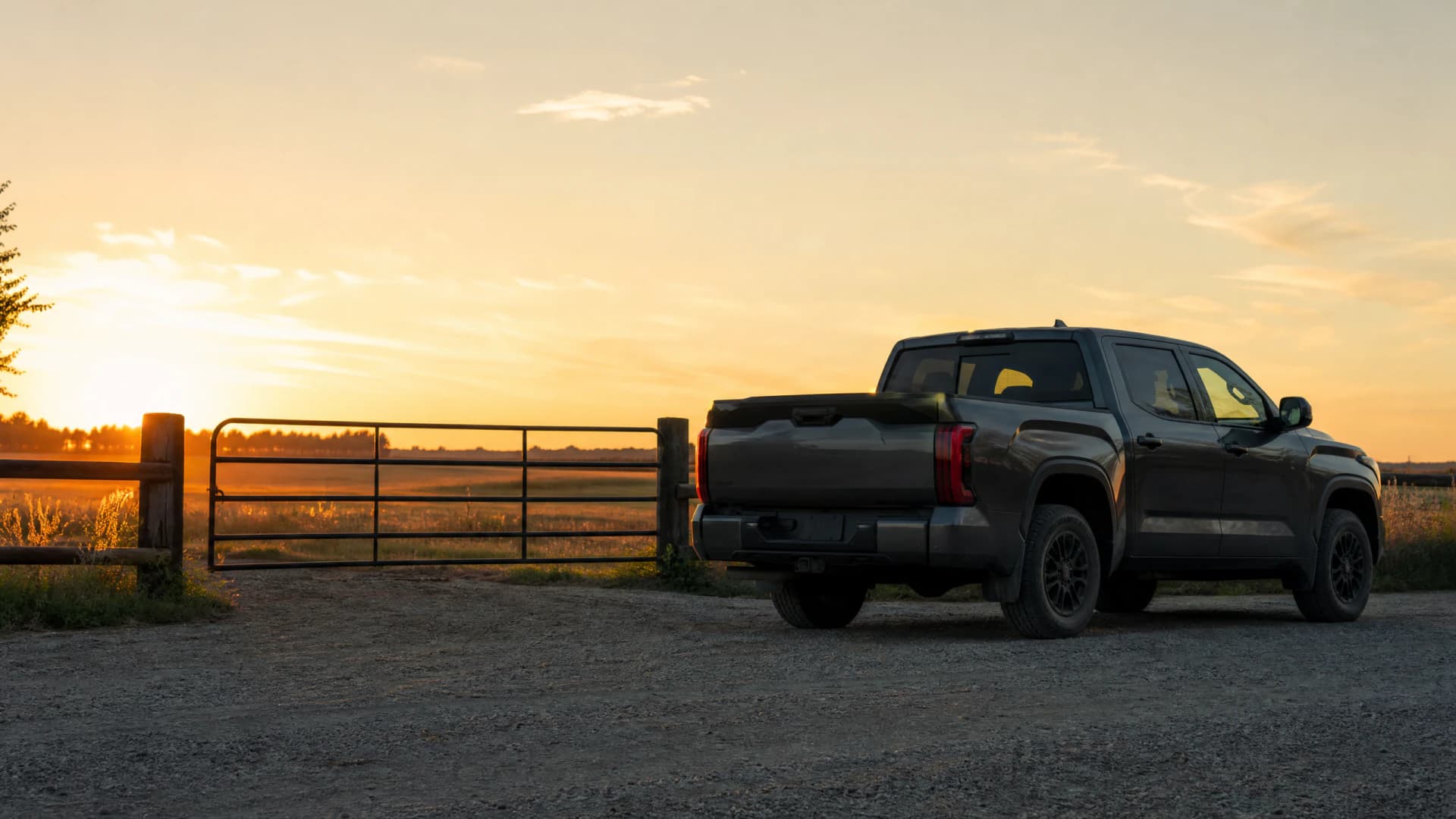
Adding a vehicle raises your premium but does not raise your uninsured motorist per-accident limit. The limit stays the same unless you request an increase.





When Uninsured Motorist Coverage Applies
Uninsured motorist coverage applies when the at-fault driver has no insurance, when the at-fault driver's carrier denies the claim, or when the at-fault driver flees the scene and cannot be identified. Georgia is an at-fault state, so the driver who caused the accident is legally responsible for the damage. When that driver has no insurance, your uninsured motorist coverage steps in.
The coverage also applies in hit-and-run accidents where the other driver is never found. You must report the accident to law enforcement and to your carrier within a reasonable time. Most carriers require a police report for hit-and-run claims.
Underinsured motorist coverage is a related product that pays when the at-fault driver has insurance but the limits are too low to cover your damages. Georgia does not require underinsured motorist coverage, but it is sold alongside uninsured motorist coverage by most carriers. The two coverages often share the same per-person and per-accident limits.
$25,000 / $50,000
Georgia Minimum Liability
Georgia requires $25,000 bodily injury per person and $50,000 per accident. Many at-fault drivers carry only the minimum, leaving gaps when damages exceed those limits.
Georgia Department of Driver Services

Adjusting Limits When You Add Vehicles
When you add a second or third vehicle, review your uninsured motorist limits to confirm they still match your household's total vehicle value and injury risk.
Raising your uninsured motorist limits costs less than raising liability limits because uninsured motorist coverage pays only when the other driver has no insurance. The added premium is typically modest. Compare the cost of higher limits against the gap between your current limit and your total vehicle value. If the gap is large, the added premium is usually worth the protection.
Compare Carriers Writing Multi-Vehicle Policies in Georgia
Georgia households insuring multiple vehicles can compare carriers that write policies covering two or more cars. Carriers in Georgia include State Farm, GEICO, Progressive, Allstate, Travelers, Nationwide, Liberty Mutual, Farmers, American Family, and others. Each carrier prices uninsured motorist coverage differently, and the gap widens as you add vehicles and raise limits.
When you compare quotes, confirm that each quote includes the same uninsured motorist limits across all vehicles. Request quotes with identical coverage so you compare the carrier's price, not the coverage difference. Use the comparison tool on this site to request quotes from multiple carriers writing multi-vehicle policies in Georgia.
What Uninsured Motorist Coverage Pays For
Uninsured motorist bodily injury pays medical bills, lost wages, and pain and suffering when an uninsured driver injures you or your passengers. The coverage applies whether you are in your own vehicle, riding in someone else's car, or hit as a pedestrian. The per-person limit is the maximum one injured person can collect; the per-accident limit is the total for all injured people combined. If three people in your household are injured in one accident, the per-accident limit is the ceiling.
Uninsured motorist property damage pays to repair or replace your vehicle when an uninsured driver damages it. Some Georgia carriers offer this as a separate coverage; others bundle it with collision. When it is separate, it typically carries a lower deductible than collision or no deductible at all. The coverage applies to every vehicle on your policy, but the limit is the total available per accident. If two of your cars are damaged, the limit is split between them.
Get Your Free Quote
Get My Georgia Car Insurance QuoteFrequently Asked Questions
Does Georgia require uninsured motorist coverage?
No. Georgia does not require uninsured motorist coverage, but carriers must offer it and most drivers buy it. You can decline the coverage in writing, but given that 19% of Georgia drivers are uninsured, most households choose to carry it.
Does uninsured motorist coverage apply to all cars on my policy?
Yes. Uninsured motorist coverage applies to every vehicle listed on your policy, but the limit is per accident, not per vehicle. If two of your cars are damaged in one accident, the property damage limit is the total available for both cars combined.
What is the difference between uninsured and underinsured motorist coverage?
Uninsured motorist coverage pays when the at-fault driver has no insurance. Underinsured motorist coverage pays when the at-fault driver has insurance but the limits are too low to cover your damages. Georgia does not require either, but most carriers sell them together.
Do I need to raise my uninsured motorist limits when I add a vehicle?
Not automatically, but you should review your limits. Adding a vehicle increases your household's total vehicle value and injury exposure. If your current uninsured motorist property damage limit is lower than your total vehicle value, consider raising it to match the new exposure.
How much does uninsured motorist coverage cost in Georgia?
The cost depends on your limits, the number of vehicles, and your carrier. Uninsured motorist coverage typically costs less than liability coverage because it pays only when the other driver has no insurance. Compare quotes from multiple carriers to see the cost for your household's vehicle count and limits.
Does uninsured motorist coverage pay if I am hit as a pedestrian?
Yes. Uninsured motorist bodily injury coverage applies whether you are in your own vehicle, riding in someone else's car, or hit as a pedestrian. The coverage follows you, not just your vehicle.