
When to Drop Full Coverage — Georgia
Free to compare
The Full Coverage Decision for Multiple Vehicles
You own three cars: a 2018 sedan you drive daily, a 2012 SUV your teenager uses, and a 2008 truck that hauls equipment twice a month. All three carry comprehensive and collision coverage because that's how the policy started. You want to know when dropping full coverage on one or more vehicles makes financial sense without exposing the household to a claim you can't absorb.
The answer depends on each vehicle's replacement cost, its loan status, and whether you can afford to replace it out-of-pocket if it's totaled. Georgia does not require comprehensive or collision coverage by law—the state mandates only liability minimums of $25,000 per person for bodily injury, $50,000 per accident, and $25,000 for property damage. Full coverage is a household decision, not a compliance obligation, and the right timing differs for each car in your fleet.
“If your annual premium for comprehensive and collision exceeds 10 percent of the vehicle's value, you're paying more to insure the car than the coverage is worth.”

Find Coverage That Keeps You Legal in Georgia
Get My Georgia Car Insurance Quote$25,000
Georgia Property Damage Minimum
Georgia requires $25,000 in property damage liability, which covers damage your vehicle causes to another person's car or property. It does not cover damage to your own vehicle—that's what collision and comprehensive pay for.
Georgia Department of Driver Services
What Full Coverage Actually Protects
Full coverage is shorthand for a policy that includes comprehensive and collision in addition to liability. Comprehensive pays for damage from non-collision events: theft, vandalism, hail, fire, hitting an animal. Collision pays for damage from crashes with another vehicle or object, regardless of fault. Both coverages come with a deductible you choose—typically $500 or $1,000—and both pay up to the vehicle's actual cash value at the time of loss, minus the deductible.
When a vehicle is totaled, the insurer pays its depreciated market value, not what you paid for it or what you owe on a loan. That ratio is the core of the drop decision.
Liability coverage is mandatory and stays on every vehicle. Dropping full coverage means dropping only comprehensive and collision; you still carry Georgia's minimum liability limits or higher, and you still meet the state's proof-of-insurance requirement for registration and legal driving.
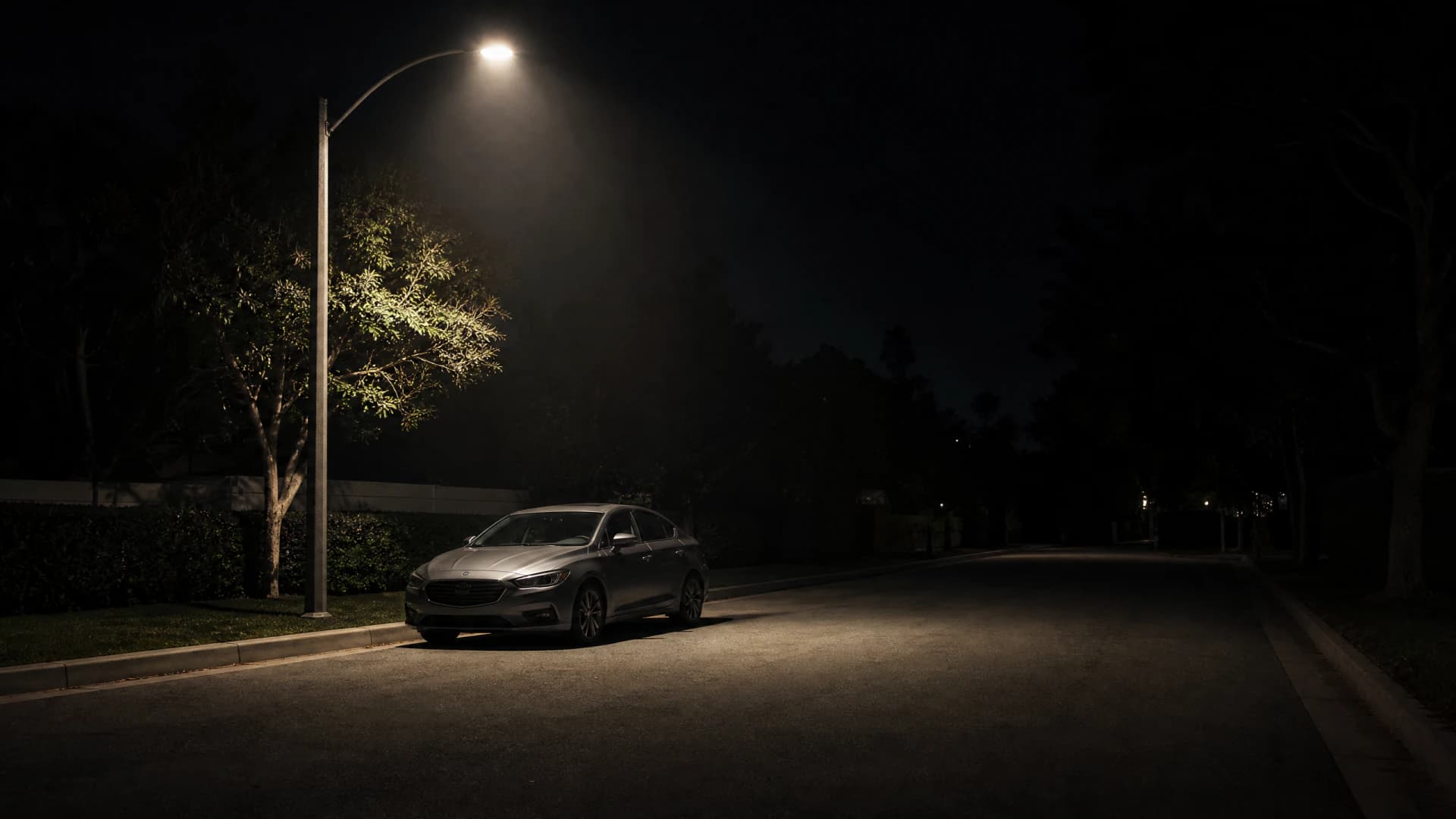
If your annual comprehensive and collision premium exceeds 10 percent of the vehicle's current value, you're likely overpaying to insure an asset you could replace in cash.






Loan and Lease Requirements Override the Threshold
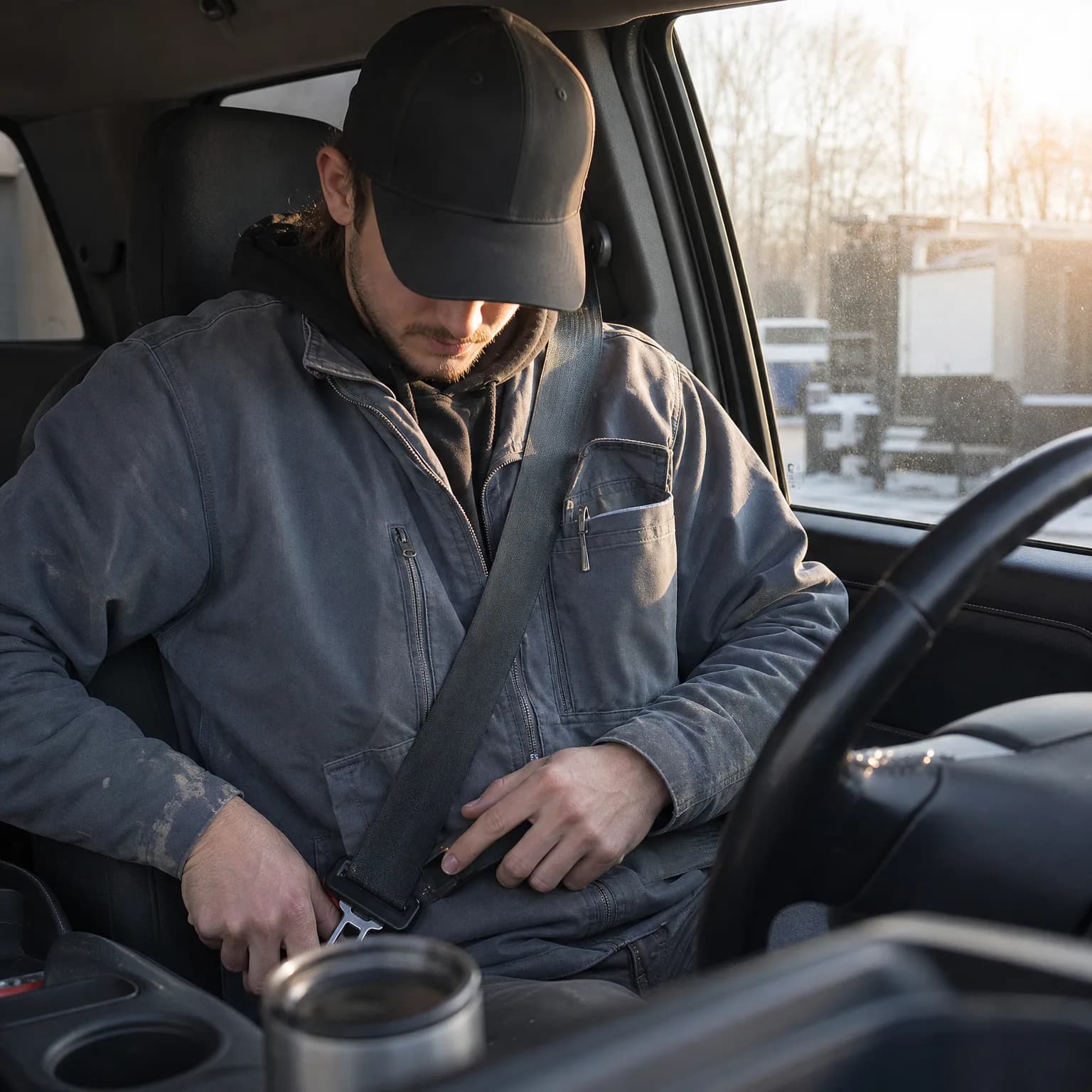
If a vehicle has an outstanding loan or lease, the lender requires comprehensive and collision coverage as a condition of financing. You cannot drop full coverage on a financed vehicle without violating the loan agreement, and the lender will force-place coverage at a much higher cost if you let your policy lapse. The vehicle-value threshold does not apply to financed cars—full coverage is mandatory until the loan is paid off.
Once the loan is satisfied, the lender releases the coverage requirement and you regain the choice. Many households continue full coverage out of habit after payoff without recalculating whether the premium still makes sense. Run the 10 percent test the month you pay off the loan. If the vehicle's value has depreciated to the point where the premium exceeds the threshold, that's the moment to drop to liability-only.
Georgia does not require lenders to notify you when the coverage requirement ends. The release happens automatically when the lien is satisfied, but your policy does not change unless you call the carrier. Check your loan payoff date and reassess coverage within 30 days.
19%
Georgia Uninsured Motorist Rate
Nearly one in five Georgia drivers carries no insurance. Uninsured motorist coverage protects you when an at-fault driver cannot pay for damage to your vehicle. It is not part of comprehensive or collision, and it remains on your policy even when you drop full coverage.
Insurance Information Institute, 2023

How Dropping Coverage Affects a Multi-Vehicle Policy
Dropping full coverage on one vehicle does not remove it from the policy or cancel the multi-car discount. The vehicle stays on the policy with liability-only coverage, and you continue to benefit from the multi-vehicle discount across all cars. The premium drops immediately—comprehensive and collision are removed, and the carrier re-rates the policy to reflect the reduced coverage on that vehicle.
Some carriers apply the multi-car discount to the total policy premium; others apply it per vehicle. When you drop full coverage on the lowest-value car in a three-vehicle household, the discount structure does not change, but the base premium for that vehicle falls because you're no longer paying for physical-damage coverage. The net savings is the comprehensive and collision premium for that vehicle, minus any small adjustment to the multi-car discount if the carrier recalculates it across the remaining full-coverage vehicles.
What Happens When You Drop Full Coverage
Call your carrier or log into your account and request removal of comprehensive and collision from the specific vehicle. The change takes effect immediately or at the next renewal, depending on the carrier's mid-term change policy. Your premium drops by the amount you were paying for those coverages on that vehicle, and you receive a prorated refund if the change happens mid-term. The vehicle remains insured for liability at Georgia's minimum limits or higher, and it stays on the policy for multi-car discount purposes.
Once full coverage is dropped, any damage to that vehicle from a crash, theft, or weather event is your responsibility. Liability coverage still pays for damage you cause to another person's vehicle or property, and uninsured motorist coverage still pays for damage an at-fault uninsured driver causes to your car if you carry that optional coverage. But collision and comprehensive claims are no longer available. If the vehicle is totaled, you replace it out-of-pocket or do without it.
You can reinstate full coverage at any time by calling the carrier and adding comprehensive and collision back to the vehicle. The carrier will re-rate the policy and charge the new premium going forward. Most carriers do not require a new inspection or waiting period to reinstate coverage on a vehicle that was previously insured under the same policy.
The Vehicle-Value Threshold
Calculate the threshold for each vehicle separately. Pull the current market value from a valuation tool or recent appraisal. Multiply that value by 0.10 to get the annual premium ceiling. If your comprehensive and collision premium for that vehicle exceeds the ceiling, the math favors dropping to liability-only.
The 10 percent rule is a heuristic, not a mandate. If the vehicle is essential to household function and you cannot afford to replace it out-of-pocket, keep full coverage even if the premium exceeds 10 percent. If the vehicle is a secondary car you could do without for weeks while saving to replace it, the threshold can be lower. The rule gives you a starting point; your household's cash reserves and vehicle dependency determine the final decision.
Get Your Free Quote
Get My Georgia Car Insurance QuoteFrequently Asked Questions
Can I drop full coverage on one car but keep it on the others?
Yes. Each vehicle on a multi-car policy can carry different coverage levels. You can drop comprehensive and collision on your oldest vehicle while keeping full coverage on newer cars, and all vehicles remain on the same policy with the multi-car discount intact.
Does Georgia require full coverage on any vehicle?
No. Georgia requires only liability coverage: $25,000 per person for bodily injury, $50,000 per accident, and $25,000 for property damage. Comprehensive and collision are optional unless a lender requires them as a condition of financing.
What happens if I total a car after dropping full coverage?
You receive no payout from your insurer for damage to your own vehicle. Liability coverage still pays for damage you cause to others, but you replace your totaled car out-of-pocket or do without it.
How much does dropping full coverage save on a multi-car policy?
The multi-car discount remains, and the other vehicles' premiums do not change.
Can I add full coverage back after I drop it?
Yes. Call your carrier and request reinstatement of comprehensive and collision on the vehicle. The carrier re-rates the policy and charges the new premium going forward, typically with no inspection or waiting period required.
Should I drop collision but keep comprehensive?
It depends on the vehicle's theft and weather risk. Comprehensive covers non-collision events like theft, hail, and vandalism, and it often costs less than collision. If your area has high theft rates or severe weather, keeping comprehensive while dropping collision can make sense for an older vehicle.