
Rental Reimbursement Coverage — Georgia
Free to compare
The Multi-Car Rental Coverage Decision
You insure two or three cars on one Georgia policy, and you're deciding whether rental reimbursement is worth adding to every vehicle or just the one you'd miss most if it were in the shop. The coverage is priced per vehicle, not per policy, so adding it to three cars costs three times as much as adding it to one. Most households assume they can skip it on the second or third car because they have a backup vehicle at home.
That assumption breaks when the covered car is totaled or stolen rather than repairable. Rental reimbursement pays only while the damaged vehicle is being repaired — once the claim settles as a total loss, the rental coverage stops immediately, even if you haven't replaced the car yet. If that was your only vehicle with rental coverage, and your household still needs two cars on the road, you're paying out of pocket for the second rental or driving short a vehicle.
“Rental reimbursement stops when the claim settles as a total loss, not when you replace the car — that gap can leave a multi-car household driving short for weeks.”
Find Coverage That Keeps You Legal in Georgia
Get My Georgia Car Insurance Quote$25,000 / $50,000 / $25,000
Georgia Minimum Liability Limits
Georgia requires $25,000 bodily injury per person, $50,000 per accident, and $25,000 property damage. These minimums apply to every vehicle on your policy, but rental reimbursement is an optional add-on purchased separately for each car.
Georgia Department of Driver Services
How Rental Reimbursement Attaches to Each Vehicle
Rental reimbursement is a per-vehicle coverage. When you add it to your policy, you select which cars receive it and which do not. The coverage follows the damaged vehicle: if Car A has rental reimbursement and Car B does not, a collision claim on Car A triggers rental coverage, but a claim on Car B does not, even though both cars sit on the same policy.
The daily limit and total claim period apply per covered vehicle. If you add the coverage to two vehicles and both are damaged simultaneously — rare but not impossible in a multi-car household with a garage fire or hailstorm — each vehicle's rental limit applies independently. You can rent two cars at once, each reimbursed up to its own daily cap.
The coverage stops when the repair is complete or when the claim settles as a total loss, whichever comes first. If the damaged car is totaled, rental reimbursement ends the day the settlement check is issued, not the day you buy a replacement. That gap can last weeks if you're shopping for a used car or waiting on financing. If the totaled car was your only vehicle with rental coverage, and your household needs two cars during that gap, the second rental is your expense.
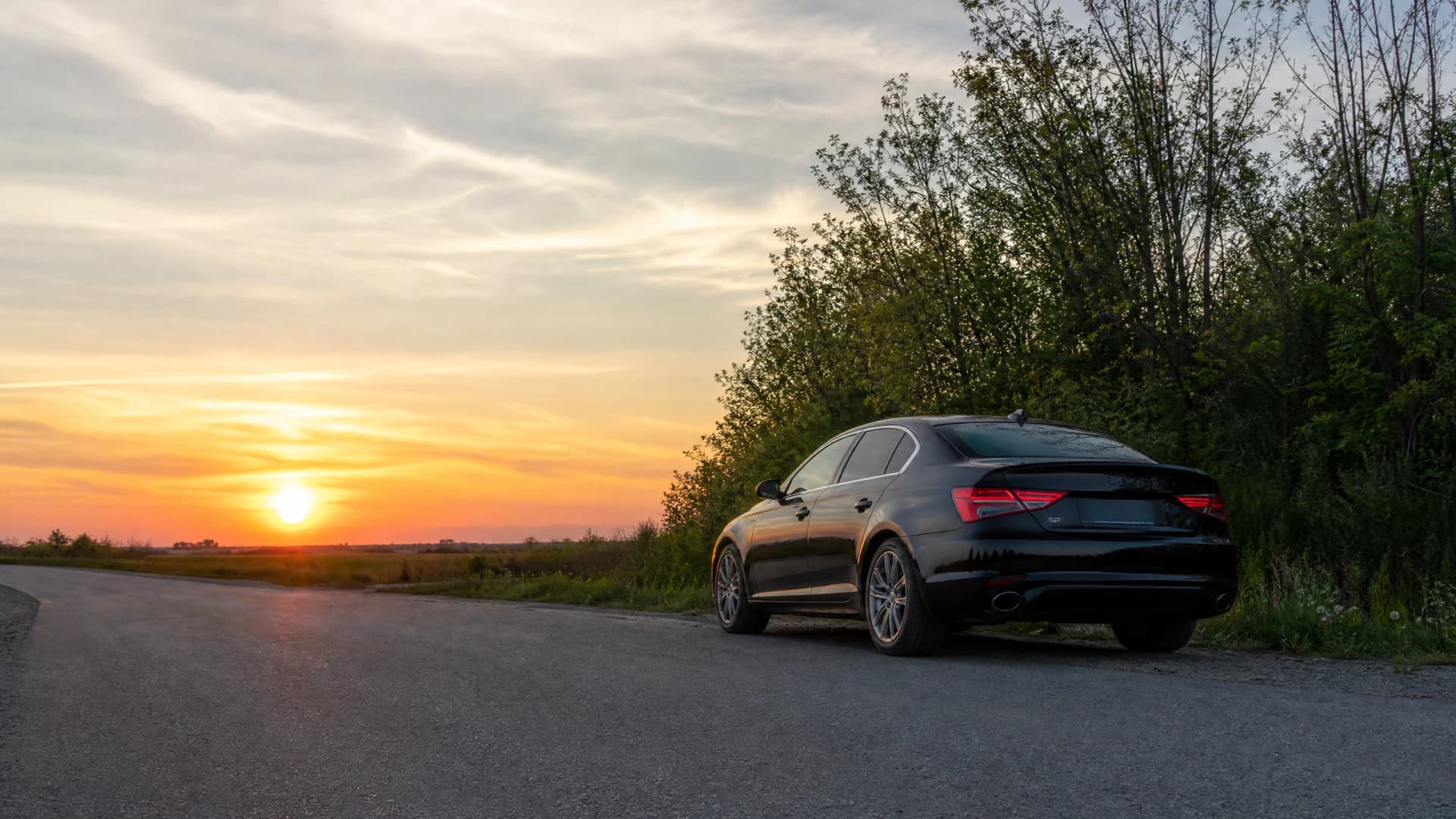
Rental reimbursement stops the day a total-loss claim settles, not the day you replace the car — if that vehicle was your only one with coverage, the household drives short or pays out of pocket.
Related Articles
Coverage-Per-Car Versus Household Transportation Need
Rental reimbursement is not household transportation insurance. It is vehicle-specific coverage that reimburses you for renting a substitute while a covered car is being repaired. The distinction matters in multi-car households because your transportation need is household-wide — you need two or three cars on the road regardless of which specific vehicle is in the shop — but the coverage is vehicle-specific. Adding it to one car protects that car's driver during a repair claim; it does not protect the household's total vehicle count during a total-loss claim.
Some Georgia households add rental reimbursement to every vehicle on the policy. The cost is higher, but the structure is simpler: any car in the shop triggers rental coverage, and a total loss on any vehicle provides a rental while the household replaces it. Other households add it only to the primary vehicle — the car the household would miss most — and accept the risk that a total loss on a secondary vehicle leaves them driving short or paying out of pocket. Neither approach is wrong; the decision depends on whether your household can function with one fewer car for two to four weeks if a secondary vehicle is totaled.
A third structure: add rental reimbursement to the two cars driven daily, and skip it on the rarely-driven third car. If one of the daily drivers is totaled, rental coverage keeps two cars on the road while you replace it. If the rarely-driven car is totaled, the household still has its two daily drivers and can delay replacement without renting. This structure costs less than covering all three vehicles and avoids the single-point-of-failure risk of covering only one.
19%
Georgia Uninsured Motorist Rate
Nineteen percent of Georgia motorists drive without insurance, increasing the likelihood of an uninsured-motorist collision claim that could leave a household vehicle in the shop or totaled. Rental reimbursement applies to collision and comprehensive claims, not to uninsured-motorist property damage claims unless your policy includes that extension.
Insurance Research Council, 2023
Daily Limits and Claim-Period Caps
The daily limit is the maximum the carrier will reimburse per day; the claim period is the maximum number of days the coverage applies per claim. If the repair takes 35 days, you pay the full cost of days 31 through 35 out of pocket.
The daily limit should match or exceed the cost of renting a comparable vehicle in your area. The claim period matters less for repair claims, which typically resolve in 7 to 14 days, but matters significantly for total-loss claims if your carrier allows rental coverage to continue through the settlement process rather than cutting it off the day the car is declared a total loss. Verify your carrier's total-loss rental policy before selecting a limit.
Compare Carriers That Write Multi-Car Policies in Georgia
Rental reimbursement pricing varies by carrier, and the daily-limit options vary as well. If you insure three vehicles and want rental coverage on two of them, request quotes that reflect that structure — adding coverage to two cars, skipping the third — rather than accepting a quote that assumes all-or-nothing. Carriers that specialize in multi-car households often price rental reimbursement more competitively when you're covering multiple vehicles on one policy.
When comparing, confirm whether the carrier's rental reimbursement applies to total-loss claims and, if so, for how many days after the total-loss determination. Some carriers cut coverage immediately when the car is totaled; others extend it for 3 to 7 days to give you time to arrange a replacement. That extension is the difference between a coverage gap and a smooth transition. See which carriers write multi-car policies in Georgia and compare their rental reimbursement structures before adding the coverage to your household's vehicles.
When One Covered Car Leaves Two Drivers Stranded
A household with three cars adds rental reimbursement to the newest vehicle, assuming the two older cars serve as backups. The newest car is totaled in a collision. Rental coverage pays for one replacement car while the claim processes, but the household still needs three vehicles on the road: one driver uses the rental, two drivers use the remaining household cars. When the total-loss settlement is issued, rental coverage stops. The household now has two cars and three drivers. Buying a replacement takes two weeks.
The failure mode is invisible until it happens. Repair claims rarely expose it because rental coverage continues until the car is fixed. Total-loss claims expose it immediately: the coverage ends before the household has restored its vehicle count. If you added rental reimbursement to only one of your three cars, and that car is totaled, the coverage protected one driver during the claim but left the household short when the claim closed.
Get Your Free Quote
Get My Georgia Car Insurance QuoteFrequently Asked Questions
Does rental reimbursement cover all cars on my Georgia policy if I add it to one vehicle?
No. Rental reimbursement is purchased per vehicle, not per policy. If you add it to one car and that car is damaged, rental coverage applies. If a different car on your policy is damaged and does not have rental reimbursement, you pay for the rental out of pocket.
How long does rental reimbursement pay after a car is totaled in Georgia?
Most Georgia carriers stop rental reimbursement the day the total-loss settlement is issued, not the day you replace the car. Some carriers extend coverage for 3 to 7 days after the settlement to give you time to buy a replacement. Verify your carrier's total-loss rental policy before a claim.
Can I add rental reimbursement to two cars on my policy and skip the third?
Yes. Rental reimbursement is optional and purchased per vehicle. You can add it to the two cars your household drives daily and skip it on a rarely-driven third car. The coverage applies only to the vehicles you select.
What happens if two cars on my Georgia policy are damaged at the same time?
If both damaged cars have rental reimbursement, each vehicle's daily limit and claim period apply independently. You can rent two cars simultaneously, each reimbursed up to its own daily cap. If only one car has rental coverage, only that car's rental is reimbursed.
Does rental reimbursement apply to uninsured motorist claims in Georgia?
Rental reimbursement typically applies to collision and comprehensive claims only. It does not apply to uninsured-motorist property damage claims unless your policy includes a specific extension for that coverage. Check your policy's rental reimbursement section for uninsured-motorist applicability.